
Uncategorized
Staying Connected in Remote Israeli Locations: The Negev, Dead Sea, and Golan
May
TL;DR
Traveling through Israel’s remote and scenic regions can be unforgettable, but staying connected there requires planning. Areas like the Negev Desert, the Dead Sea, and the Golan Heights often include long drives, open landscapes, nature reserves, and rural communities where stable mobile access matters more than many travelers expect. An Israel eSIM gives visitors a practical way to prepare before arrival, activate service online, and stay connected for maps, ride coordination, work updates, safety communication, and travel flexibility. Choosing the right connectivity solution is especially important when visiting places where public Wi-Fi is limited and physical SIM shopping can be inconvenient. A smart Esim package to Israel helps travelers avoid unnecessary complexity and choose data that truly matches the trip.
Why connectivity matters more in Israel’s remote regions
When most travelers picture staying connected in Israel, they think about Tel Aviv cafes, Jerusalem hotels, or airport arrivals. In major cities, access is usually easier. But Israel is not only an urban destination. Many of its most memorable experiences are found far from the center. Travelers head south to explore the Negev, east to float in the Dead Sea, and north to hike, drive, and unwind in the Golan Heights. These areas offer beauty, quiet, and space, but they also make mobile reliability more important.
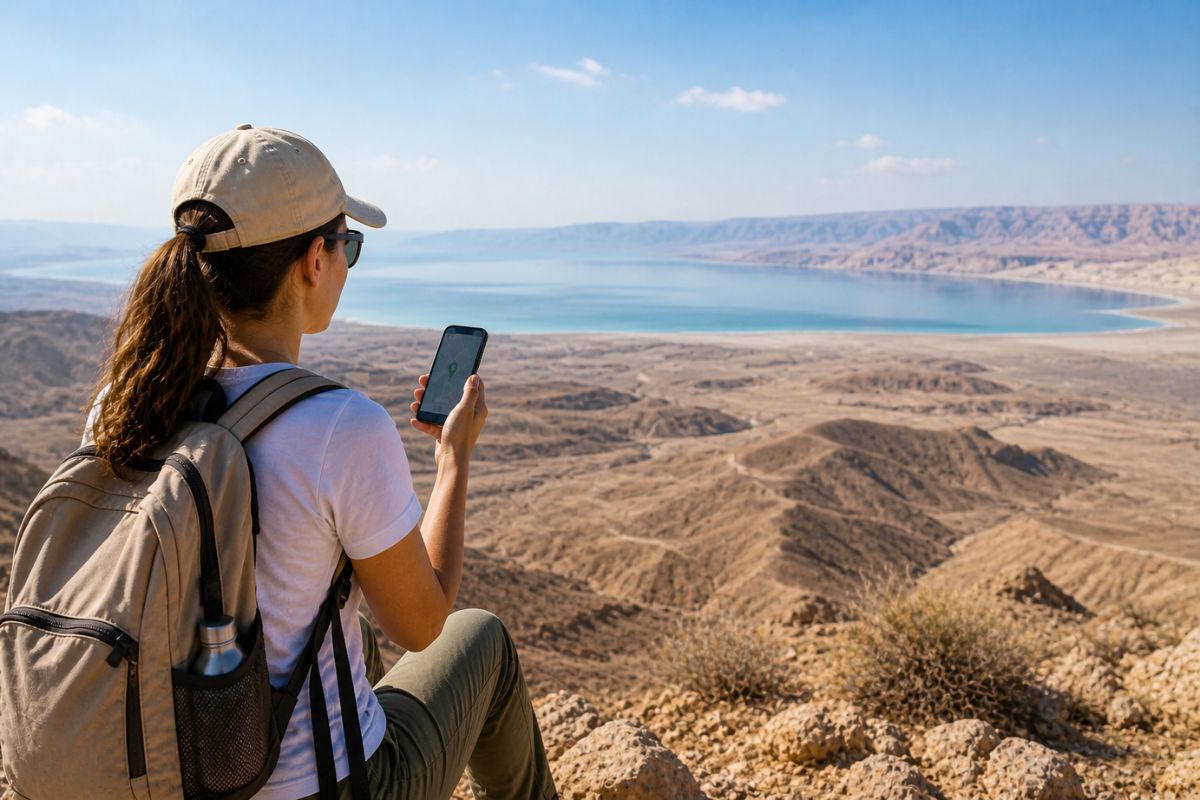
A traveler crossing the Negev may depend on navigation for long stretches between stops. Someone visiting the Dead Sea may need to coordinate hotel check-in times, confirm transportation, or contact family while moving between spa resorts, scenic lookouts, and desert attractions. In the Golan, visitors often explore wineries, hiking trails, small guesthouses, and nature areas where plans change quickly due to weather, opening hours, or road conditions. In all of these cases, staying connected is not just about convenience. It supports confidence, safety, and control during the journey.
This is why choosing an Israel eSIM before departure can make a real difference. Instead of assuming connectivity will work itself out on arrival, travelers can land with service already prepared and ready to use.
The challenge of coverage in remote Israeli locations
Remote travel always comes with a different connectivity experience than city travel. Even in a highly developed country like Israel, geographic conditions matter. Desert roads, mountain areas, low-traffic regions, and natural reserves can all affect signal consistency depending on the specific carrier network and the exact location.
In the Negev, the distances between towns and attractions can be significant. Travelers often move through open desert landscapes where there are fewer urban access points and fewer places to stop and troubleshoot connectivity. If your map stops loading or you need to check a route update, even a short interruption can become stressful.
Around the Dead Sea, terrain plays a role. The area’s unique geography and the spread of hotels, roadside attractions, and natural points of interest mean that connectivity can feel uneven depending on where you are. Tourists are often on the move there, and that makes dependable mobile access especially useful.
In the Golan Heights, travelers often enjoy rural tourism, scenic roads, and outdoor activity. That is exactly why connectivity matters. Hiking plans, local business hours, route changes, and weather conditions can shift quickly. For international visitors unfamiliar with the region, reliable data is often the difference between a smooth day and a frustrating one.
No provider can honestly promise that every meter of a remote landscape will behave like central Tel Aviv. But having a well-prepared mobile solution before the trip gives travelers a stronger starting point and avoids the extra friction of trying to solve connectivity issues after arrival.
Why an Israel eSIM is a practical choice for modern travelers
An Israel eSIM is especially useful for travelers who value flexibility. It removes the need to search for a physical SIM after landing, avoids the hassle of handling tiny cards and trays, and makes it easier to activate service before your trip begins. For people arriving on tight schedules, landing late at night, or going directly from the airport to a remote destination, that convenience matters.
The value becomes even clearer when the trip includes business, study, or structured travel. A student heading to a program in southern Israel may need immediate access to email, directions, campus contacts, and local transport tools. A business traveler visiting industrial or regional sites cannot afford to wait until the next day to find a SIM kiosk. A tourist driving north or south right after arrival benefits from having mobile data ready the moment the plane lands.
This is where simplicity becomes a competitive advantage. Many travelers do not want to spend time comparing technical details, switching plans mid-trip, or decoding unclear package limits. They want service that works, activation that is simple, and a package that suits the real scope of the journey.
Simple country-specific travel is better than bloated regional packages
One of the biggest frustrations in travel connectivity is paying for complexity you do not need. Some providers push large regional packages that sound convenient on paper but are often bloated in practice. A traveler visiting only Israel may end up browsing oversized plans that include multiple countries, broader zones, or confusing conditions that do not improve the actual trip.
For someone whose itinerary is focused on Israel, especially on key destinations like the Negev, Dead Sea, and Golan, a country-specific option is often the more sensible choice. It keeps the decision process cleaner and helps the traveler focus on what actually matters: how much data is needed, how long the trip lasts, and how the device will be used.
That is where Simtoisrael has a clear advantage in positioning. Travelers looking for an Esim package to Israel are usually not searching for a giant regional bundle with unnecessary extras. They are searching for a straightforward way to stay connected in Israel itself. When the destination is specific, the connectivity solution should be specific too.
This simpler structure is especially valuable for travelers who are not tech experts. They do not want to decode industry language or compare a maze of overlapping package types. They want a direct answer to a direct need.
Web-based activation before takeoff changes the travel experience
One of the most useful benefits of choosing an eSIM is the ability to set things up before leaving home. Web-based activation before takeoff helps travelers reduce uncertainty and start their trip with one less thing to worry about.
This matters more than people realize. Airport arrivals can be tiring, crowded, and time-sensitive. Some travelers land after long overnight flights. Others arrive with children, tight connections, scheduled pickups, or immediate drives toward remote destinations. In these moments, even simple extra tasks can feel exhausting. Looking for a store, standing in line, comparing plans at the airport, or trying to troubleshoot activation on the spot is not how most people want to begin their journey.
When an Israel eSIM is activated in advance, the traveler starts the trip with a greater sense of readiness. The phone is prepared. The data plan is already selected. The service is aligned with the travel schedule. This creates a smoother transition from home country to destination and supports a more professional, organized travel experience.
For study travelers and business visitors, the benefit is even stronger. The ability to go online quickly upon landing supports immediate productivity. For holiday travelers, it supports peace of mind. In both cases, preparation improves the experience.
Choosing custom data amounts that fit your journey
Not every traveler needs the same amount of data. Someone spending five days driving between scenic locations and mostly using maps, messaging, and light browsing has very different needs from someone working remotely, uploading content, joining video calls, or sharing their trip online every day.
This is why custom data amounts matter. Flexible package sizing allows travelers to match their purchase to the real shape of the trip instead of overpaying for unused capacity or underestimating what they need. For example, a solo traveler doing moderate navigation and communication may prefer a leaner option, while a digital nomad or business traveler may want a more generous package.
The right Esim package to Israel should fit the trip naturally. It should not force the traveler into a one-size-fits-all model. Flexibility makes the service feel more personal, more efficient, and more travel-friendly.
This also strengthens the marketing message. Travelers appreciate brands that help them buy intelligently rather than simply upselling the largest bundle. In a competitive travel market, clarity and relevance often build more trust than exaggerated claims.
How competitors often complicate the process
Many connectivity providers make the buying process more complicated than it needs to be. Some overwhelm users with too many overlapping plans. Others focus heavily on technical language while failing to communicate practical differences. Some promote regional coverage in a way that sounds broad and attractive but actually makes the decision harder for travelers who only need one destination. Others bury activation details, fair-usage conditions, or limitations behind unclear interfaces.
In general terms, this creates friction at exactly the wrong moment. Travel buyers are often making decisions close to departure. They want certainty, not confusion. They want to know whether the service fits Israel, whether the data amount makes sense, whether activation can happen before boarding, and whether the setup process is simple enough to trust.
This is where a focused provider has room to stand out. Simtoisrael can speak directly to travelers heading to Israel, present a clear value proposition, and avoid the cluttered experience that generic competitors often create. For the customer, that means less second-guessing. For the brand, it means stronger relevance and a better chance of conversion.
Remote travel in Israel is memorable when you feel prepared
The Negev, Dead Sea, and Golan are not side notes in an Israel itinerary. For many travelers, they are the most meaningful parts of the journey. The silence of the desert, the dramatic landscapes around the Dead Sea, and the green, elevated beauty of the north all offer a very different Israel from the urban center. But these experiences are best enjoyed when logistics are already handled.
Reliable mobile access helps travelers use maps with confidence, respond to last-minute changes, communicate with accommodations and guides, and keep personal or professional responsibilities under control while on the move. That is true whether the traveler is coming for vacation, research, studies, remote work, or a blended itinerary that includes all of them.
An Israel eSIM supports this kind of travel because it matches the pace and expectations of modern movement. It is digital, flexible, and practical. It respects the fact that travelers want to arrive ready, not start solving problems at the airport or halfway through a desert drive.
In a market full of noise, the strongest offer is often the clearest one. Travelers do not need more complication. They need a simple, reliable way to stay connected in Israel, especially when heading beyond the cities.
Final thoughts
If your trip includes remote Israeli destinations, connectivity should be part of the planning, not an afterthought. The Negev, Dead Sea, and Golan reward travelers with some of the most distinctive experiences in the country, but they also require a bit more preparation than a city-only itinerary.Choosing the right Israel eSIM helps make that preparation easier. It gives travelers a cleaner start, a simpler activation process, and a better match between their data plan and their real travel needs. For visitors who want dependable access without unnecessary complexity, a focused Esim package to Israel is one of the smartest choices they can make before departure.
FAQs
Is an Israel eSIM useful even if I only visit remote areas for part of my trip?
Yes, because connectivity needs often become more important the moment you leave the main cities. Even if only part of your itinerary includes the Negev, Dead Sea, or Golan, those are usually the moments when dependable data matters most for navigation, booking coordination, route updates, and communication. Having an Israel eSIM ready from the beginning means you do not have to rethink your mobile setup halfway through the trip.
Can I activate my eSIM before flying to Israel?
In most cases, yes, and this is one of the biggest advantages of using an eSIM for travel. Activating before departure allows you to land with your connectivity already prepared, which is especially helpful if you are arriving late, heading straight to a remote location, or traveling on a tight schedule. It creates a smoother experience from the first moment of arrival and reduces the need to depend on airport services or local store hours.
Why is a country-specific eSIM package better than a regional one for Israel?
A country-specific package is often better because it matches the actual destination without adding unnecessary complexity. Many regional plans include multiple countries and pricing structures that do not benefit travelers who are only visiting Israel. A focused Esim package to Israel is usually easier to understand, easier to compare, and more aligned with what the traveler truly needs during the trip.
How much data do I need for travel in the Negev, Dead Sea, and Golan?
That depends on how you travel and use your phone. If you mainly need maps, messaging, email, and light browsing, a moderate data plan may be enough. If you work remotely, share media often, stream content, or rely heavily on cloud-based apps, you will likely need more. The best approach is to choose a plan that reflects the actual intensity and duration of your trip rather than simply selecting the biggest option available.
Is public Wi-Fi enough for visiting remote parts of Israel?
Usually not. In remote areas, Wi-Fi may be limited to certain hotels, guesthouses, or cafes, and even then it may not be available when you are driving, hiking, or moving between locations. Mobile data is the more practical option because it stays with you throughout the day and supports real-time travel needs. That is especially important when plans change or when you need access outside standard urban environments.
What makes an Israel eSIM a good fit for tourists, students, and business travelers?
An Israel eSIM works well for all three groups because it combines flexibility with readiness. Tourists benefit from easier navigation and travel coordination. Students benefit from faster access to directions, communication tools, and everyday services. Business travelers benefit from immediate productivity and fewer setup delays. In each case, the eSIM supports a smoother arrival and a more efficient experience throughout the trip.